The Role of Women in the Alpaca Fibre Value Chain
The role of women in the alpaca value chain

The breeder: protector of the region and life
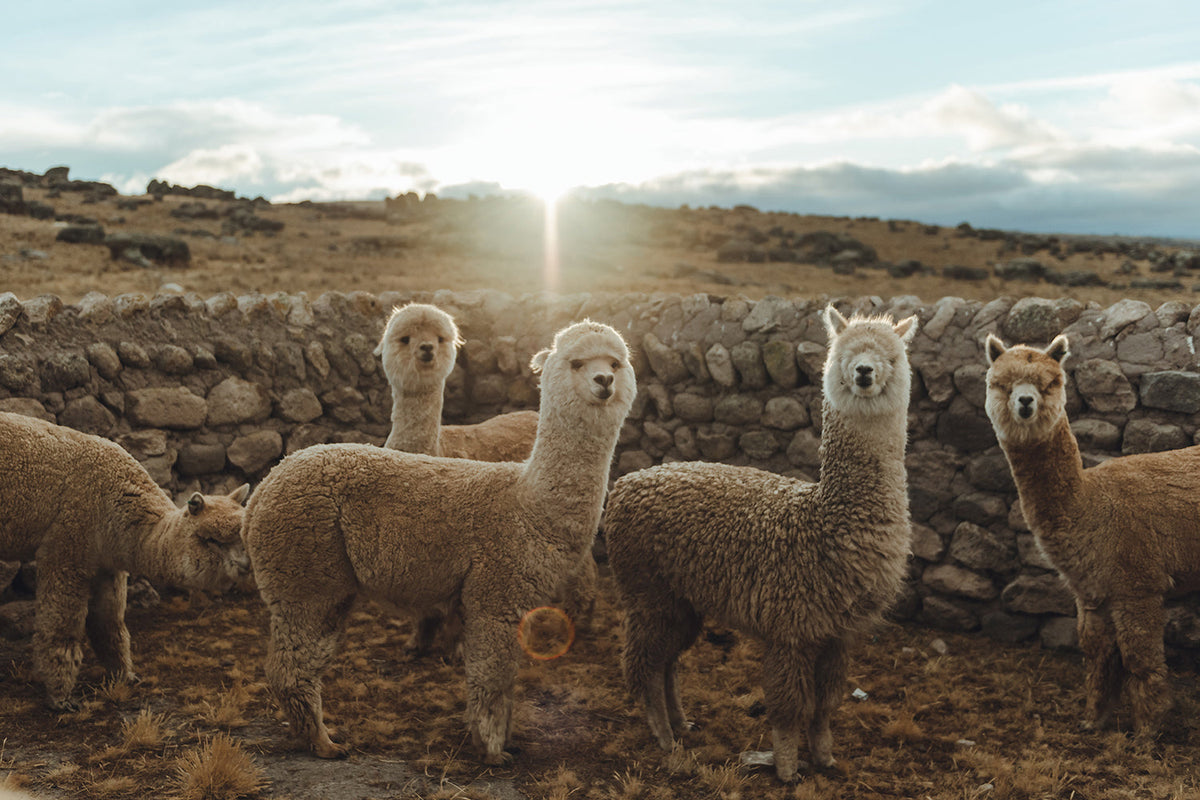
The first female player in the value chain is the breeder. She coordinates the day's work, sends her children to school, releases the animals to pasture, guides the herd into different enclosures to prevent overgrazing, and monitors the animals' health. In addition, she records births, illnesses, weights, and fiber colors in her small notebook. The genetic continuity of the herd and the productive sustainability of the Andean ecosystem are in her hands.
For years, training was focused mainly on male breeders. However, work done with the communities revealed that it was the women who consistently remained in the area, cared for the animals, and managed the data. They were quietly the true maintainers of the system. This observation led to a change in approach: today, a core strategy of training is to invest in the education of women to strengthen the entire production chain.
Governments can promote sustainability through incentives and regulation, while conscious consumers increase the demand for responsibly produced animal products. By reconciling environmental, social, and economic goals, the livestock sector can move toward more sustainable systems that promote global food security while respecting planetary boundaries.
Significant growth can be seen in the textile industry, which shows that the demand for sustainable alpaca products is increasing. This makes it essential for the alpaca sector to meet the challenge. Research into determining the ecological footprint is the first step on this path.

The fiber master: a skill no machine can replace
The second key player is the master fiber sorter. This work requires exceptional sensitivity: by simply feeling the fiber between their fingers, the master sorter distinguishes microns, softness, strength, color, and luster. This skill has been passed down from mother to daughter since the 1930s, when girls followed their mothers to the collection centers.
This is an intangible and invisible, yet decisive skill that cannot be digitized or replaced by technology. Today, this craftsmanship faces a great challenge as many young women move away or choose other professional fields. Therefore, institutions and associations are actively training and encouraging new master sorters to ensure the survival of this unique skill globally and the continuation of the high-quality alpaca fiber tradition.
The artisan: creator of identity
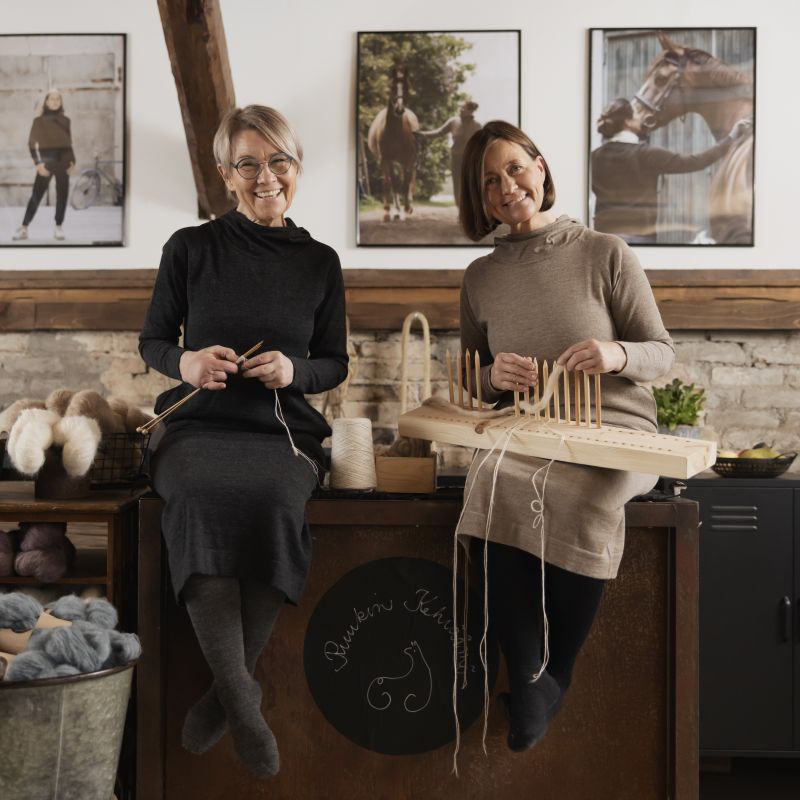
Artisans transform fiber into garments that combine design, technique, and tradition. They use methods inherited from their ancestors, such as wooden looms, backstrap looms, spinning with a drop spindle (pushka), knitting, crocheting, and complex intarsia techniques. Every textile carries a profound message: it reflects the community's colors, the family history, the symbolism of Pachamama, and patterns passed down from generation to generation.
Today, many artisans are also entrepreneurs, designers, heads of associations, and organizers of fairs and markets. Their work not only generates income but also strengthens the position of the alpaca in global markets. Behind every garment that ends up in Paris, New York, or Tokyo is an Andean woman who has spun, woven, or designed it from her home in the highlands.

A chain maintained by women
Women are present in every link of the alpaca value chain:
-
In breeding, as decision-makers for productive and economic matters.
-
In animal health care, as practitioners of ancestral knowledge and traditional medicine.
-
In sorting, as guarantors of quality from its early stages.
-
In spinning and weaving, as preservers of millennia-old techniques.
-
In entrepreneurship and trade, by connecting traditional expertise with modern markets.
-
In knowledge transfer, as trainers of new generations.
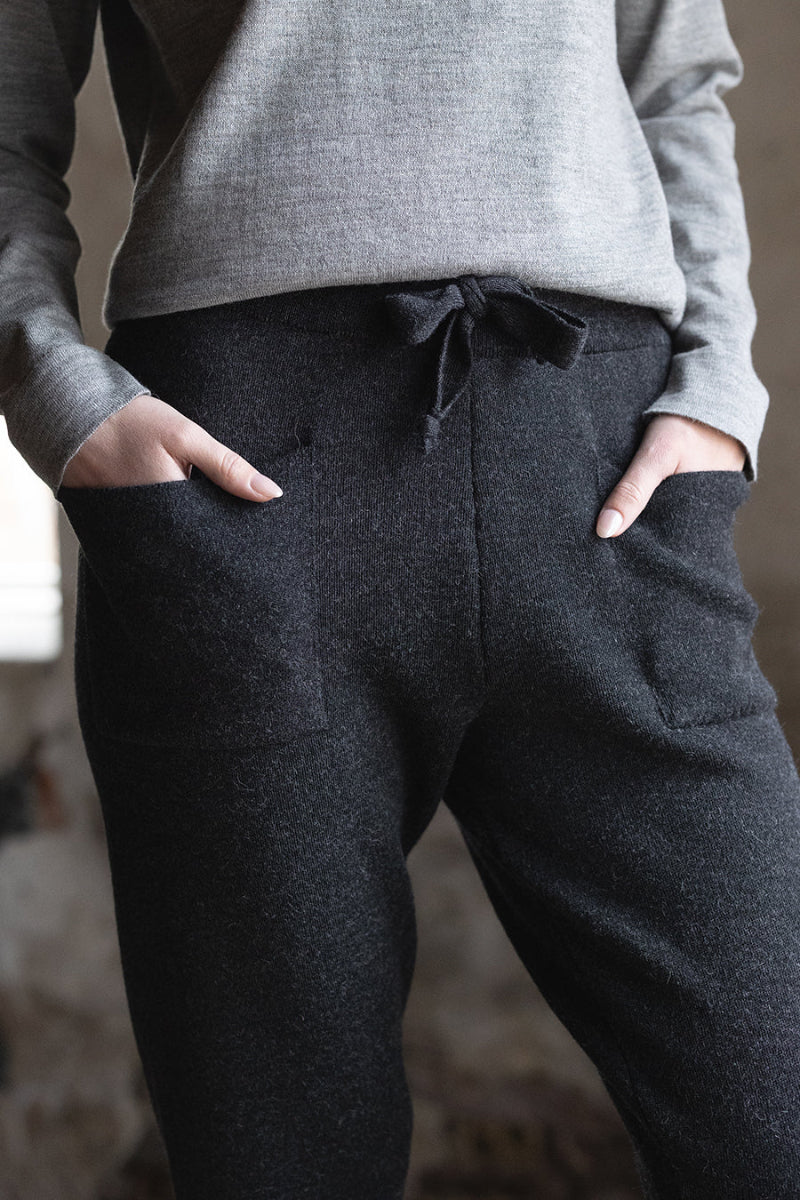
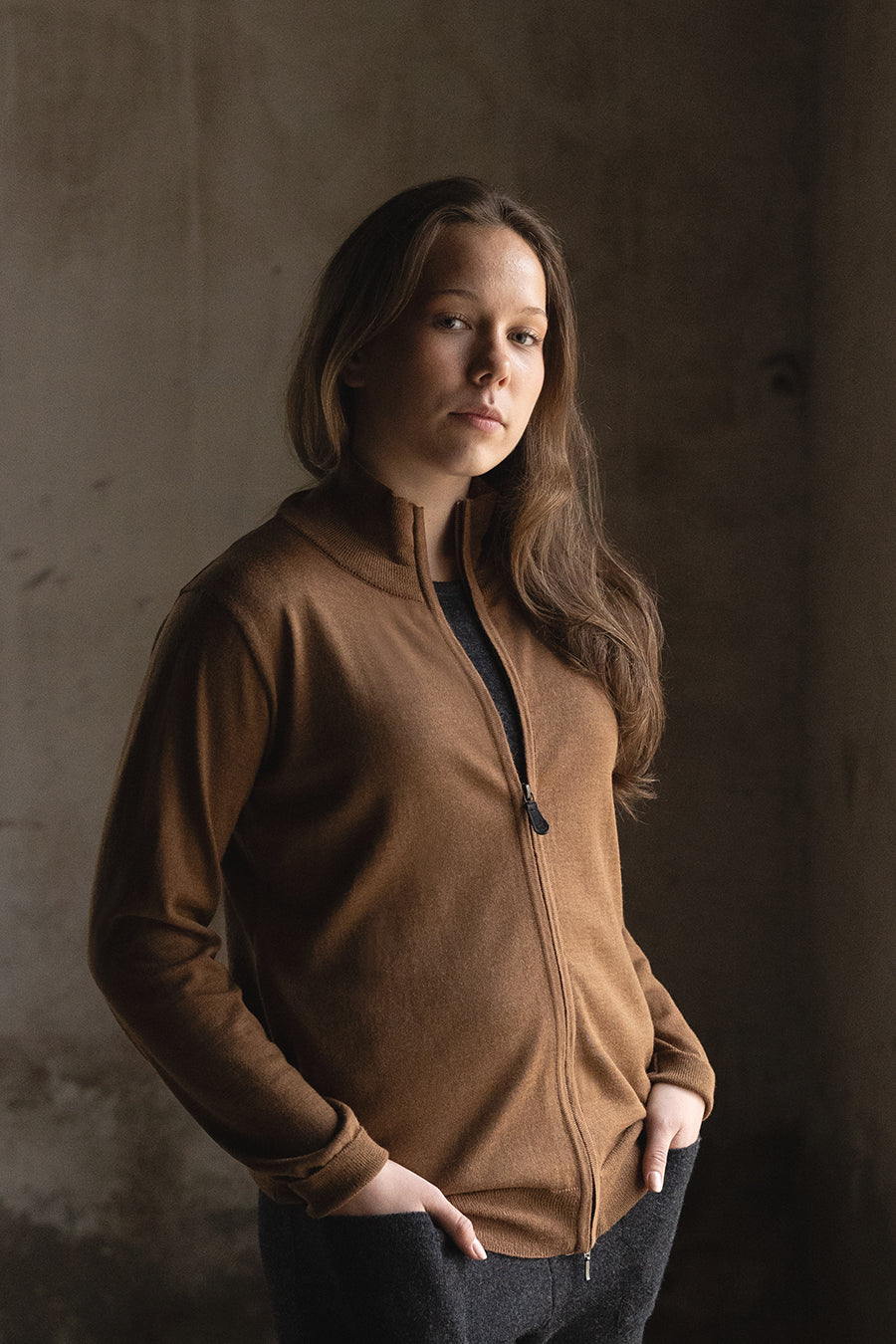
When a person puts on alpaca clothing, they carry with them the story of a family from the high Andes, the woman's work as the caretaker of the animal, the hands that selected the fiber, and the artisan's creativity that transformed tradition into art.
“Alpaca is not just a fiber; it is a promise of beauty, identity, and dignity that Andean women have upheld for thousands of years.”
Image copyright: International Alpaca Association, www.aia.org.pe