Why choose a sweater from the Alpaca Royal collection instead of a regular alpaca sweater?
What is Royal Alpaca?
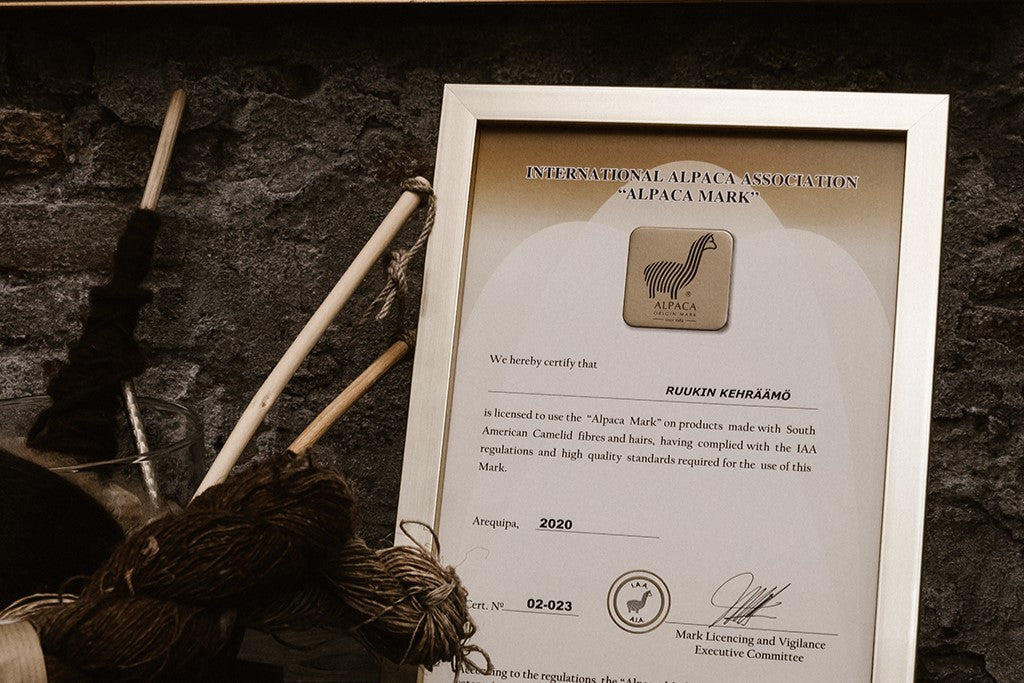
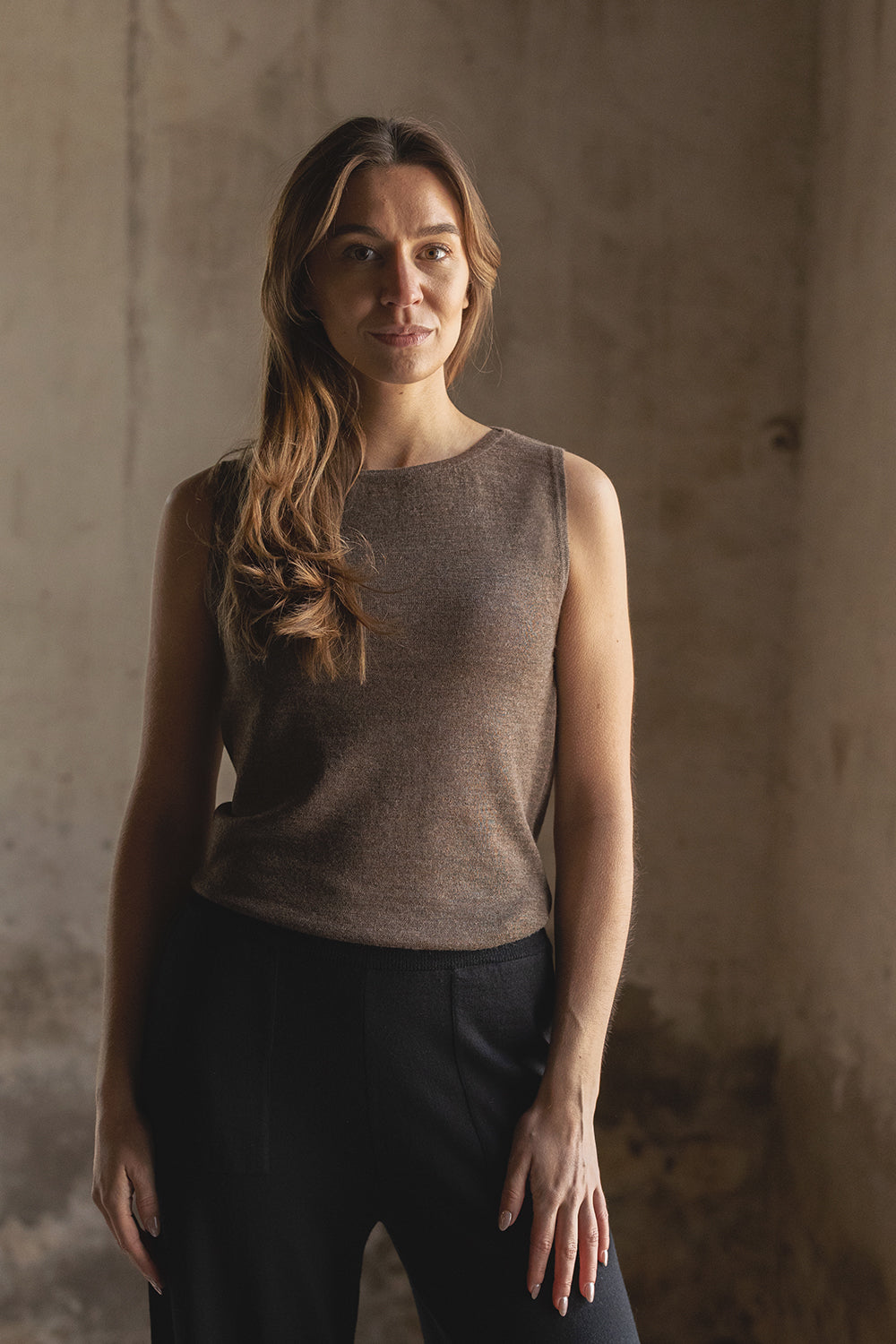
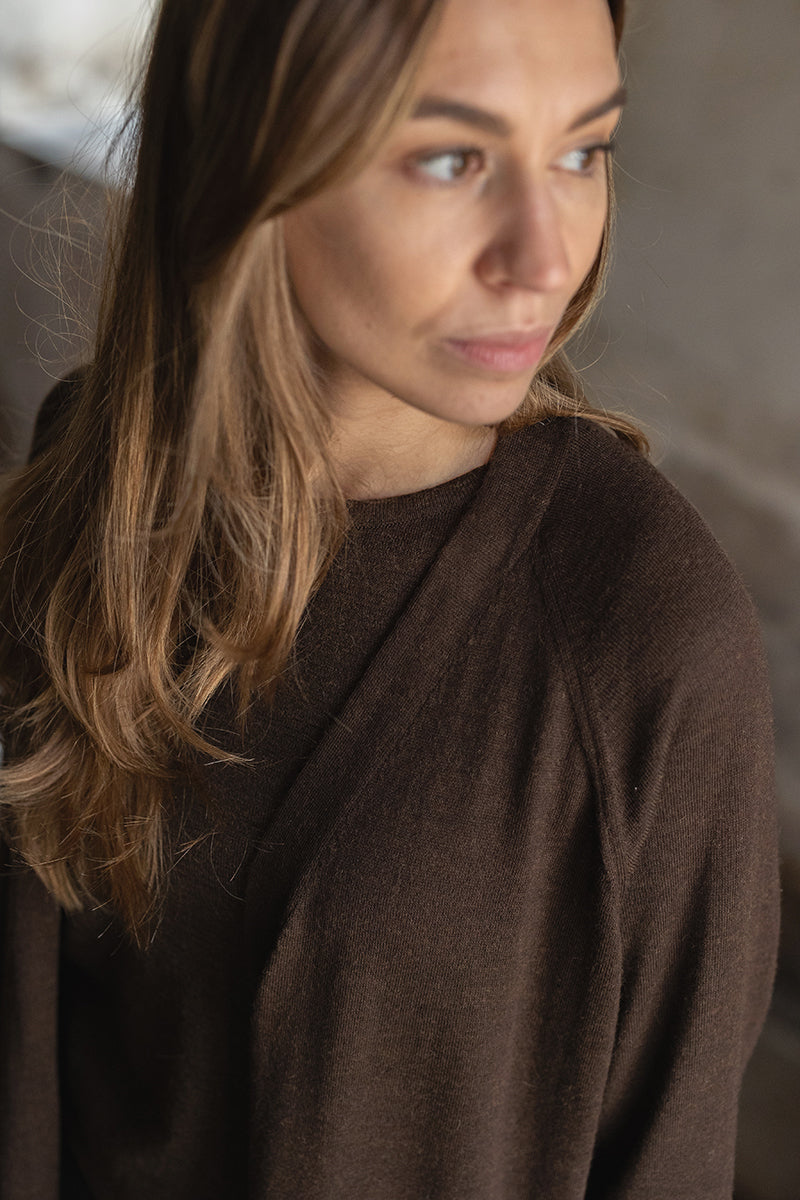
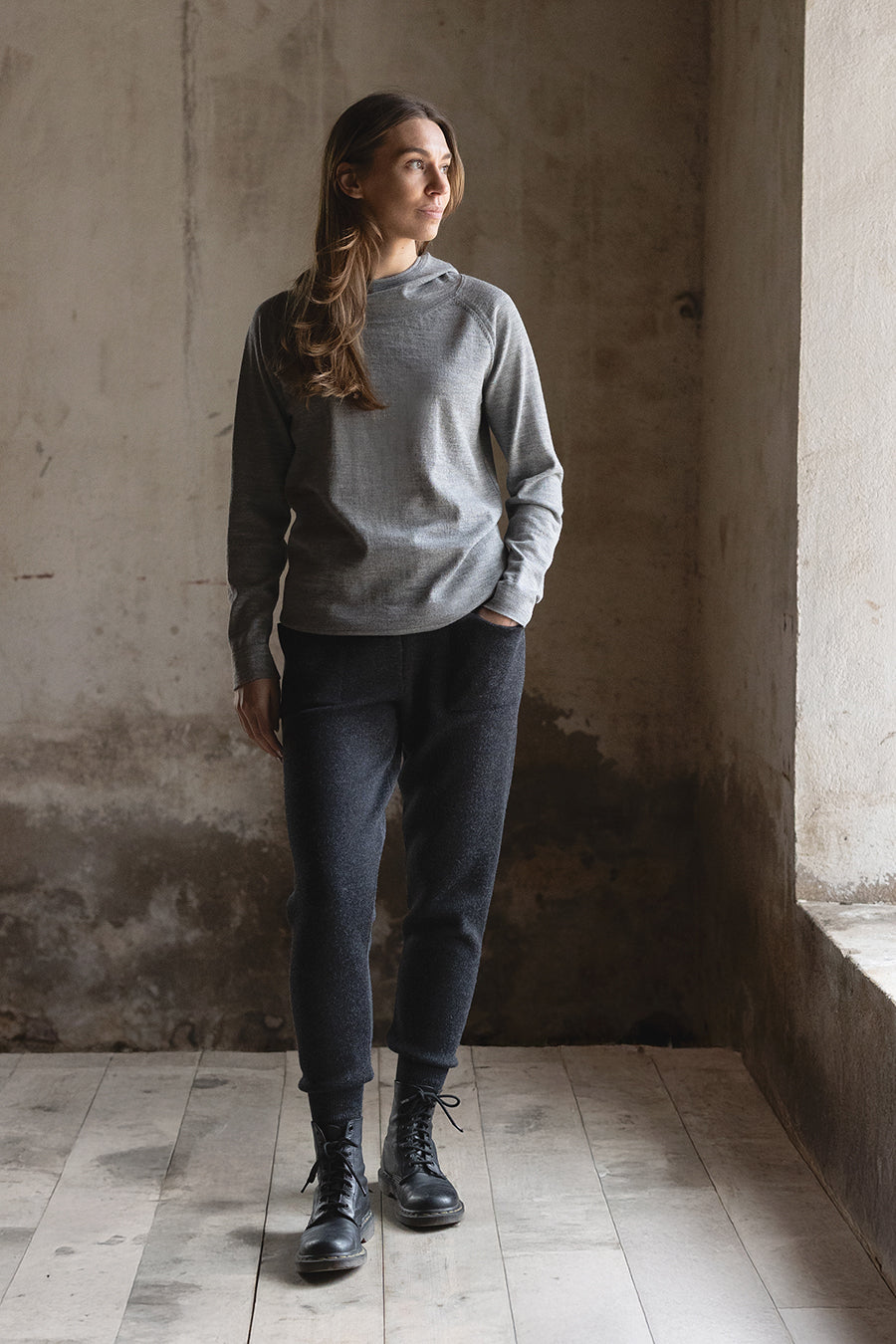
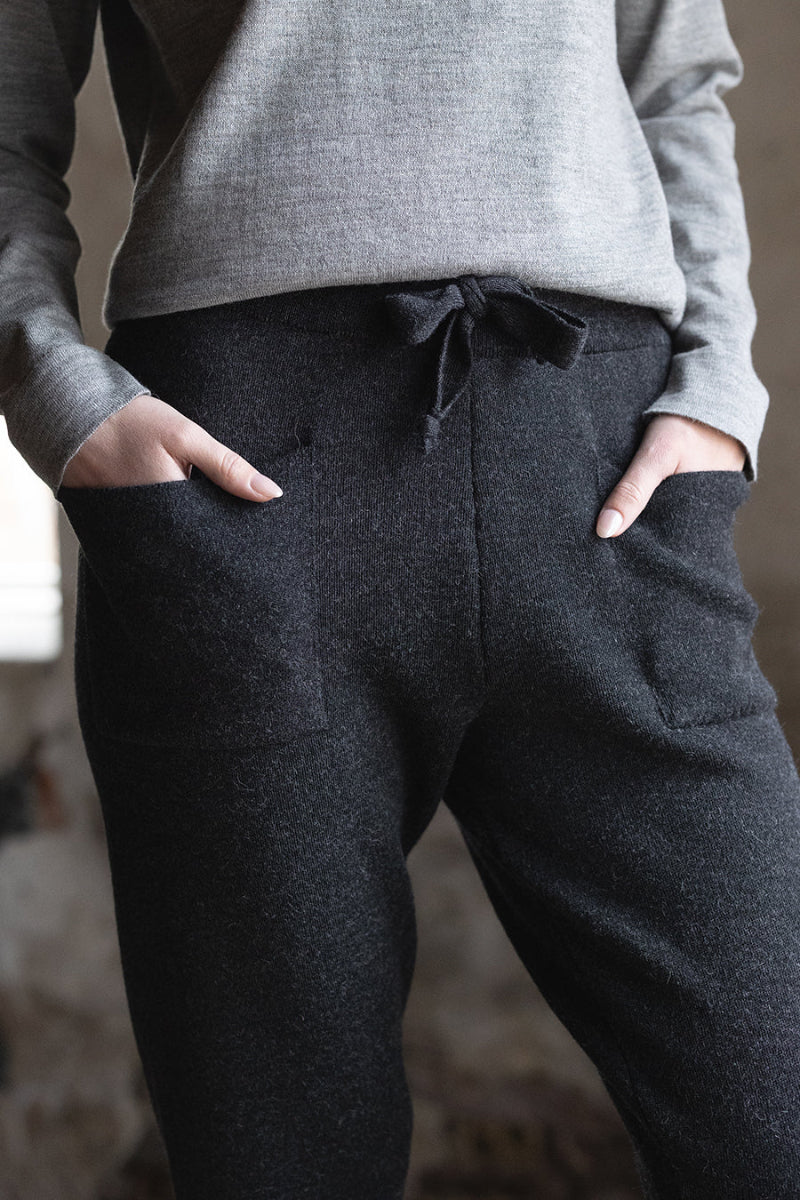
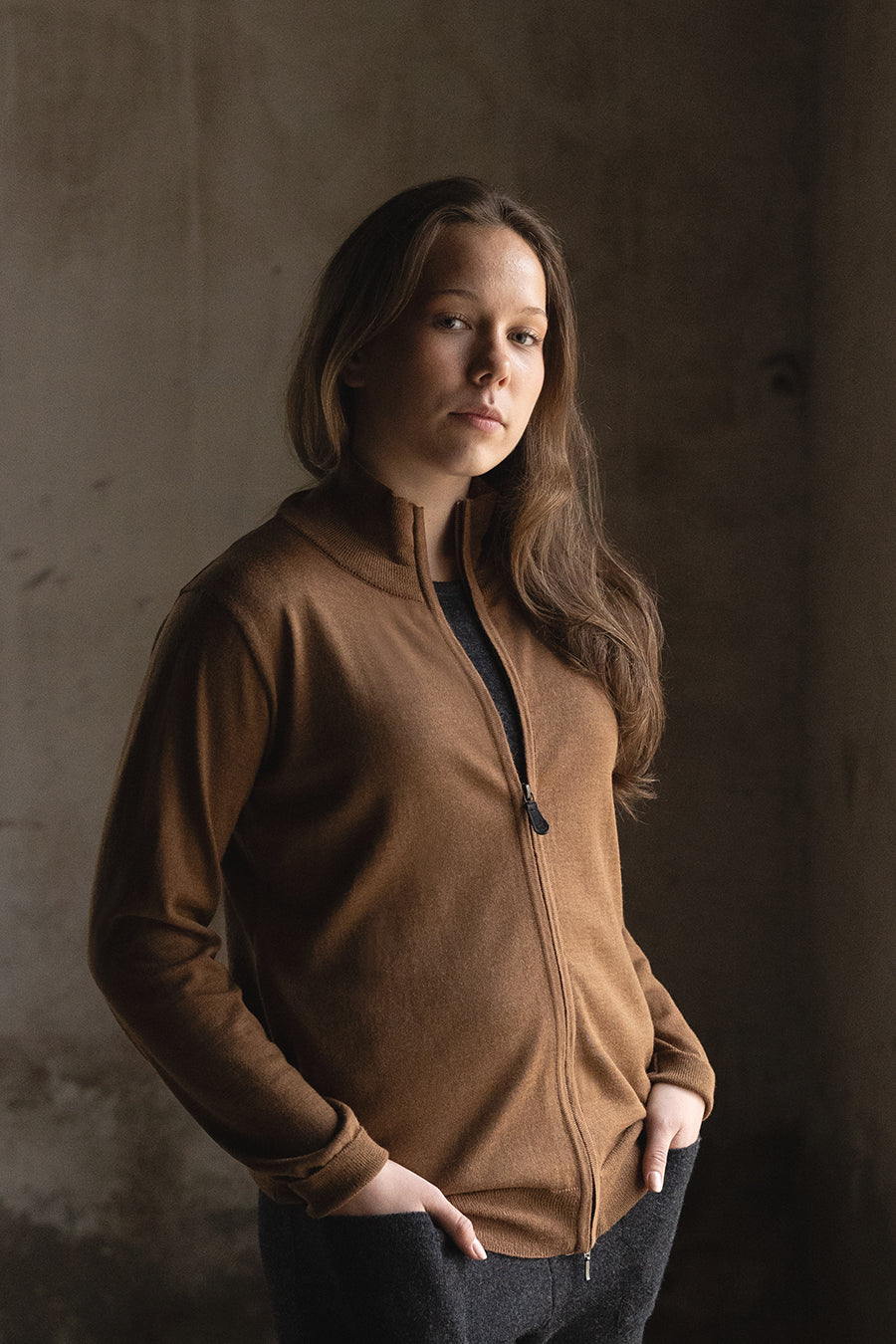
Alpaca wool has many qualities that have made it a luxury material from the times of the Incas up to today. Royal-quality alpaca fiber is the finest alpaca fiber on the market, available in sufficient quantities for commercial knitting production. Ruukin Kehräämö's Alpaca Royal collection products are made from 100% Royal-quality alpaca fiber.
There are estimated to be up to 30 natural shades of alpaca fiber in the world. The colors in Ruukin Kehräämö's Alpaca Royal collection mimic these natural alpaca shades. The fiber is primarily used undyed, but if the desired color is not available undyed, it is dyed using GOTS-certified methods. The Peruvian alpaca population is predominantly white, which makes the availability of rare Royal-quality fiber in other colors particularly challenging.

Figure 1. Color chart of alpaca fibers. (Photo by International Alpaca Association - IAA)
What does alpaca fiber quality mean in practice?
The primary quality factor is the fineness of an individual fiber, which is expressed in microns, or thousandths of a millimeter. To facilitate communication, different micron levels have been given official names used in the textile industry, making it easy to understand how fine the fiber is. The smaller the micron number, the thinner the individual fibers, and the softer the fiber and products made from it feel. For comparison, the diameter of a human hair is approximately 40-120 microns.
Coarse Alpaca < 30µm
Alpaca ≤ 28µm
Superfine Alpaca ≤ 26 µm
Baby Alpaca ≤ 22 µm
Royal Alpaca ≤ 18 µm
Soft and Lustrous
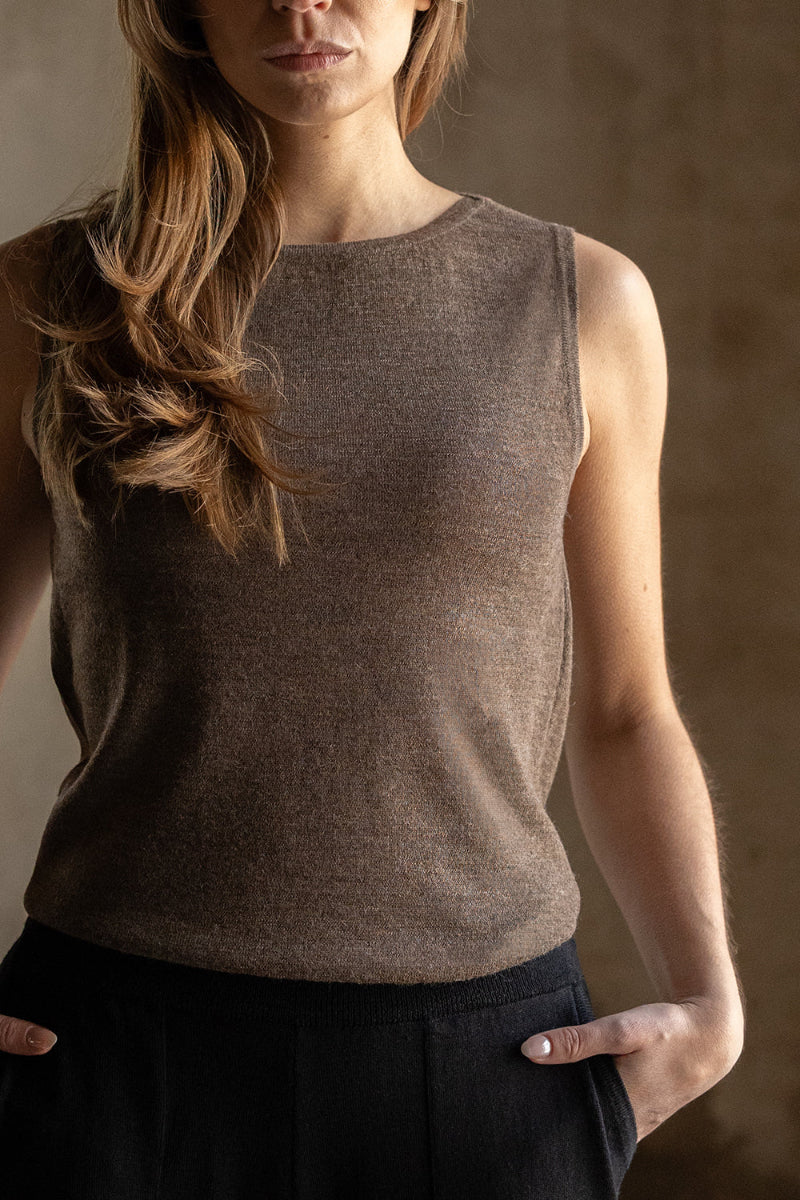
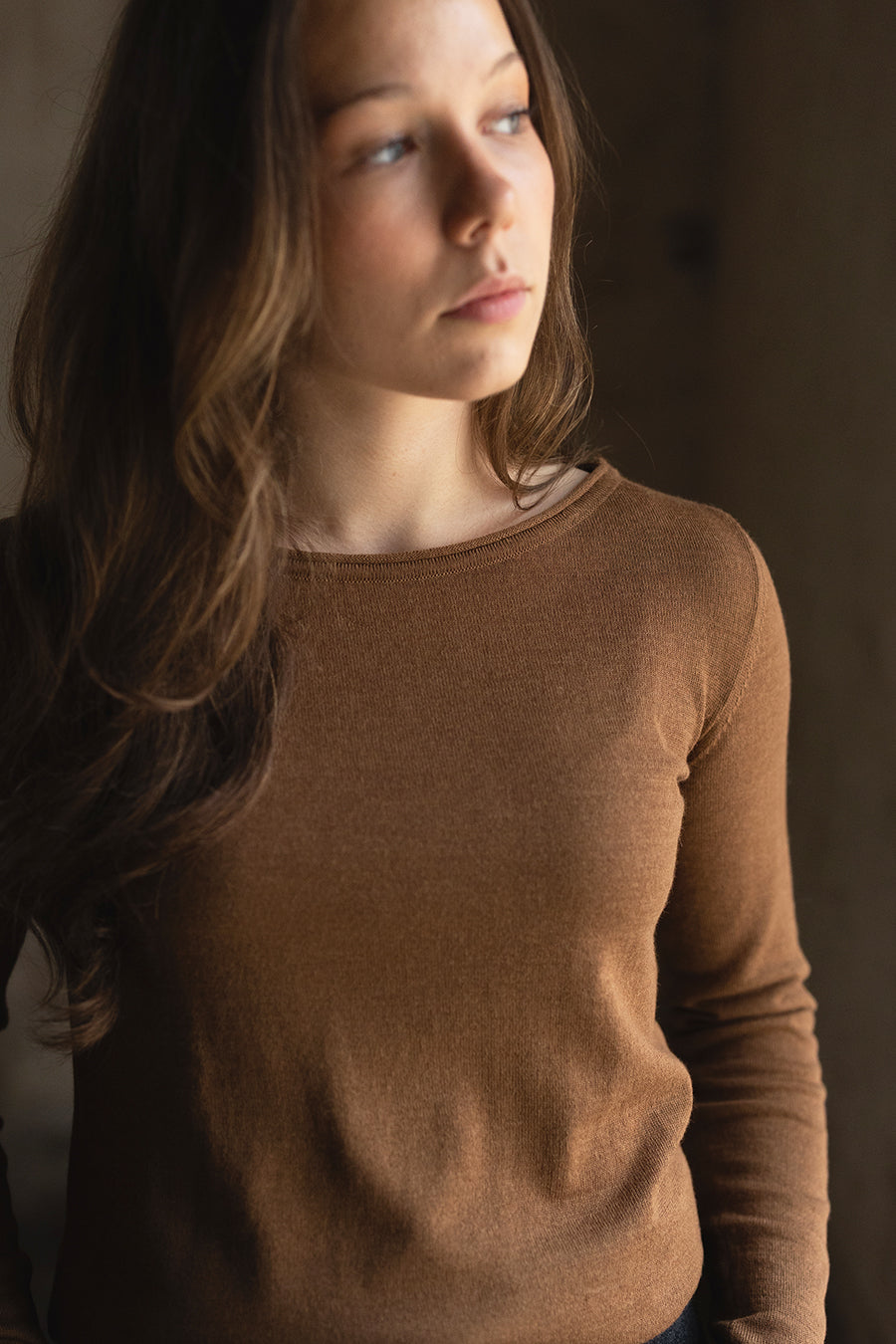
Fine-quality alpaca wool is soft and non-prickly against the skin, but not all alpaca wool is. Many of the properties of alpaca wool are due to the fineness of the individual alpaca fiber, and these properties diminish with thicker fibers. An alpaca knit made from Royal-quality fiber feels soft against the skin and does not itch, even if lower-quality alpaca wool might. A high-quality 100% Alpaca Royal knit has a subtle, natural luster, which further enhances its luxurious appearance and feel.
Insulating and Body Temperature Regulating
Due to its structure, alpaca fiber insulates significantly better than sheep's wool. It does not absorb moisture and regulates body temperature. Alpaca does not contain lanolin, which makes it hypoallergenic and antibacterial.

Figure 2. Close-up of alpaca wool. (Photo by International Alpaca Association - IAA)
Water and Dirt Repellent
High-quality alpaca fiber repels water and dirt, keeping the animal dry and clean. These properties are also retained in Ruukin Kehräämö's Alpaca Royal knitwear.
Lightweight and Durable
Alpaca fiber is the third strongest natural fiber in the world in terms of tensile strength; only silk and spider silk are stronger than alpaca fiber. This makes the products in the Alpaca Royal collection very durable. A non-pilling yarn and a knit that holds its shape well can only be made from high-quality fiber, which is why the knitwear in the Alpaca Royal collection is more durable than alpaca knits made from lower-quality fiber.
Responsibly Produced
Breeders belonging to indigenous Peruvian communities care for their small herds with respect for nature. For every batch of yarn arriving at Ruukin Kehräämö, the finest Royal-quality fibers are collected separately from local small farms. Breeders receive better compensation for Royal Alpaca fiber than for coarser quality wools.
An alpaca sweater consumes little water during its lifecycle. Alpacas, like other camelids, thrive with very little water, and the fiber does not require chemical softening treatments, unlike merino wool, for example. The sweater repels dirt and odors, so it needs to be washed only rarely. A sweater made from 100% Royal Alpaca is completely biodegradable.
Ruukin Kehräämö uses lower-grade fiber, for example, as filling wool and for the production of interior design items and felted products.